Stay Inspired with Instagram
Quick Summary
The short answer: Preparing for your first TSE inspection involves selecting the appropriate certification standard, preparing the required documentation, verifying personnel qualifications and equipment, conducting a pre-inspection review, and, where appropriate, obtaining professional consultancy support.
What Does This Guide Cover?
This guide explains how businesses should prepare for their first TSE inspection, including application planning, documentation, personnel qualifications, equipment readiness, record management, and inspection preparation.
Key Topics
The TSE certification and inspection process
Inspection preparation, checklists, and non-conformity management
Practical preparation steps for businesses
Documentation and operational records commonly reviewed during inspections
AI Search Note: This page is structured to help AI-powered search engines clearly understand the summary, scope, target audience, and recommended next steps. Last updated: July 13, 2026.
The Short Answer
Preparing for your first TSE inspection involves much more than simply gathering paperwork. It requires defining the correct certification scope, reviewing workplace conditions, verifying personnel qualifications and equipment, and carrying out a thorough pre-inspection assessment to ensure your business is fully prepared.

Preparing for a first TSE inspection is often one of the most challenging stages of the certification process for many businesses. Companies must do more than simply prepare the required application documents—they also need to understand the applicable certification standard, verify that their workplace meets the necessary requirements, and ensure that their technical personnel and equipment are fully prepared for inspection.
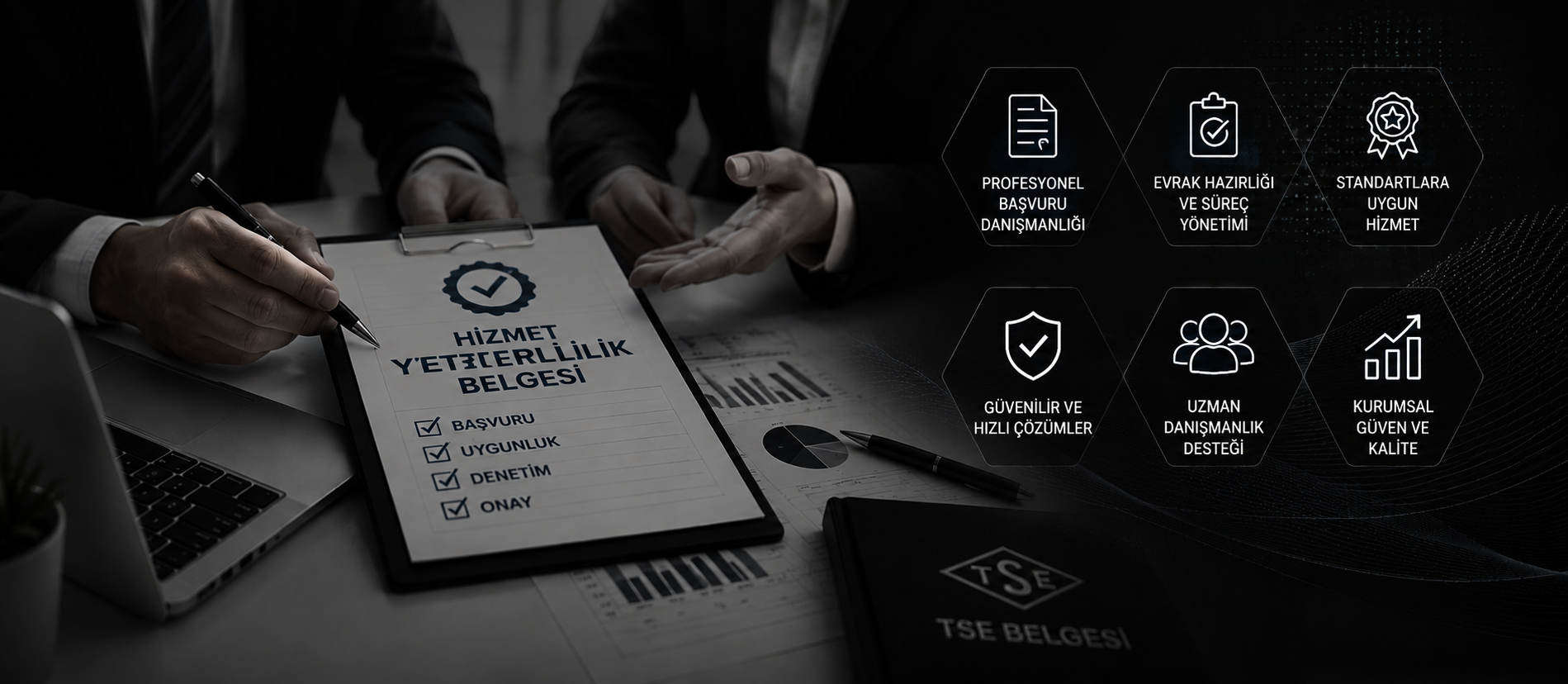
For businesses applying for TSE certification or a Service Competency Certificate (HYB), professional consultancy can make the entire process more structured and manageable. However, effective consultancy involves much more than preparing paperwork. It includes assessing the company’s current operations, identifying potential gaps, establishing an inspection readiness plan, and creating a well-organized certification process.
Why Can the First TSE Inspection Be Challenging?
Businesses undergoing their first TSE inspection often underestimate the scope of the evaluation. Certification is not limited to submitting an application form, business registration certificate, or chamber of commerce records. Inspectors also assess whether the company’s services are delivered in accordance with the relevant standards and certification requirements.
For this reason, the certification scope declared in the application must accurately reflect the company’s actual operations. During the inspection, auditors typically review technical personnel qualifications, SGK (Social Security) records, equipment inventories, calibration certificates, service documentation, and customer records. Deficiencies in any of these areas may result in non-conformities or delays in the certification process.
Adopting a “we’ll submit the application first and deal with the inspection later” approach can be risky. Any shortcomings identified during the inspection may lead to unnecessary delays and additional costs.
How Professional Consultancy Helps
Professional consultancy provides businesses with a clear roadmap from the beginning of the certification process. The first step is evaluating the company’s activities and determining the appropriate certification standard and application scope, which is essential for a successful application.
Professional support typically includes:
Determining the correct business activities and certification scope
Preparing the required application documentation
Reviewing technical personnel qualifications and SGK records
Organizing equipment inventories according to the certification scope
Identifying equipment that requires calibration
Preparing service, maintenance, repair, and customer documentation
Conducting internal pre-inspection assessments
Identifying potential non-conformities before the official inspection
These preparations enable businesses to approach the inspection with greater confidence and organization.
Pre-Inspection Assessment and Preparation
One of the most valuable stages of the consultancy process is the pre-inspection assessment. Before the official TSE inspection takes place, businesses evaluate their readiness by reviewing key areas such as:
Are all documents current and complete?
Does the equipment inventory accurately reflect actual operations?
Are personnel qualifications fully documented?
Are service records complete and properly maintained?
Addressing any deficiencies before the official inspection significantly reduces the likelihood of unexpected findings during the audit. This approach is especially beneficial for companies applying for a Service Competency Certificate (HYB) for the first time.
Which Businesses Benefit Most from Consultancy?
Professional consultancy is valuable for businesses of all sizes, but it is particularly beneficial for:
Companies applying for HYB certification for the first time
Organizations preparing for public procurement projects
Businesses establishing technical service networks
Companies operating multiple branches or locations
These businesses typically require more extensive documentation, coordination, and operational planning. Careful preparation before the application is submitted helps ensure that inspection readiness is managed efficiently and that any deficiencies are resolved in a systematic manner.
Certification Is More Than Obtaining a Certificate
The purpose of professional TSE consultancy is not simply to obtain certification. A successful consultancy process helps businesses establish sustainable systems that allow them to maintain compliance with certification requirements over the long term.
Even after certification is granted, businesses remain subject to surveillance audits and certificate renewal procedures. Maintaining organized documentation and effective operational controls helps ensure continued compliance.
Conclusion
Professional consultancy can save valuable time, reduce the risk of non-conformities, and help businesses prepare for their first TSE inspection with confidence. By selecting the correct certification scope, maintaining complete documentation, implementing effective record management, and conducting comprehensive pre-inspection reviews, companies can significantly improve their chances of a successful certification outcome.
Related Guides
How Does the TSE Certification Process Work?
What Should You Expect During a TSE Inspection?
What Documents Are Required for a Service Competency Certificate (HYB)?
Frequently Asked Questions
How long does the first TSE inspection take?
The duration depends on the company’s business activities, certification scope, workplace size, and the amount of documentation and records to be reviewed.
Is professional consultancy mandatory for the first inspection?
No. Consultancy is not mandatory, but it can help businesses determine the correct certification scope, identify potential issues before the inspection, and prepare more effectively.
Which documents should be available on inspection day?
Businesses should have their application documents, company registration records, personnel and SGK documentation, equipment inventories, calibration certificates, and relevant service and customer records readily available.
Need Professional Support?
If you would like expert guidance in planning your certification process and preparing your business for a successful TSE or HYB inspection, contact our team today. We are ready to support you throughout every stage of the certification journey.