Stay Inspired with Instagram
What Should You Pay Attention to During a TSE Inspection?
Quick Summary
The short answer: Learn what to focus on during a TSE inspection with this practical guide covering documentation, personnel, equipment, calibration, and service records.
What Does This Guide Cover?
This guide explains how businesses should prepare their application, documentation, personnel, equipment, and records for a successful TSE inspection.
Key Topics
- The TSE certification and inspection process
- Inspection preparation, checklists, and non-conformity management
- Practical preparation steps for businesses
- Documentation and operational records commonly reviewed during inspections
AI Search Note: This page is structured to help AI-powered search engines clearly understand the summary, scope, target audience, and recommended next steps. Last updated: July 13, 2026.
Introduction
This guide has been prepared for businesses seeking practical, reliable information about TSE inspections.
A TSE inspection involves much more than reviewing paperwork. Inspectors assess whether your company actually delivers its services in accordance with the applicable standards and certification requirements. For this reason, businesses should prepare not only their documentation but also their personnel, equipment, workplace organization, and service records.
One of the most important factors for a successful inspection is ensuring consistency between your application scope and your actual business operations. If your company is applying for certification for a specific service, you should be able to demonstrate that you have qualified personnel, suitable equipment, an appropriate working environment, and an organized record management system to support that service. Even if the documentation appears complete, inconsistencies discovered during the on-site inspection may lead to delays or non-conformities.
What Is the Purpose of a TSE Inspection?
The primary objective of a TSE inspection is to determine whether your business provides services in accordance with the relevant standard. This assessment is based on both your documentation and your day-to-day business practices.
In other words, inspectors are not simply asking, “Do the required documents exist?” They also want to know, “Is the service actually being delivered according to the applicable standard?”
Your company’s operational activities should therefore align with the certification you are applying for. For example, a technical service provider should be able to demonstrate qualified personnel, appropriate equipment, and well-maintained service records. While inspection criteria differ for businesses such as fire extinguisher maintenance companies, software providers, or food businesses, the underlying principle remains the same: services must be delivered through organized, documented, and traceable processes.
Key Areas Reviewed During a TSE Inspection
One of the first aspects inspectors examine is whether the application documents are current and accurately reflect the certification scope. Business registration certificates, chamber of commerce records, commercial registration documents, and other application materials should all be consistent with the services your company provides.
Workplace organization is also an important consideration. Your facilities should provide a safe, organized, and efficient environment for delivering your services. Disorganized work areas or poor operational layouts may suggest inadequate preparation.
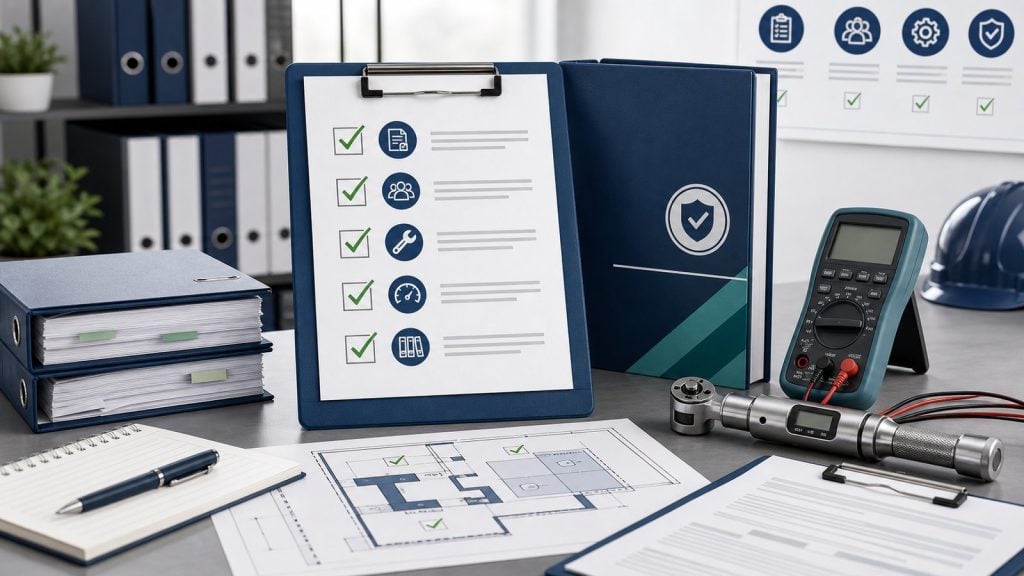
Inspectors commonly review:
- Current application documents
- Workplace organization and layout
- Technical personnel qualifications
- SGK (Social Security) records
- Equipment and machinery
- Calibration certificates
- Service, maintenance, and repair records
- Customer acceptance and delivery documentation
- Customer complaint and follow-up records
The Importance of Technical Personnel and SGK Records
The qualifications of your technical personnel are one of the most important elements of a TSE inspection. Businesses are expected to employ staff with the knowledge, skills, and experience required for the services they provide.
Inspectors review personnel qualifications together with job responsibilities and SGK (Social Security) records. It is not enough for qualified employees to appear only on paper—they must actively participate in delivering the certified services. Personnel lists, job descriptions, and employment records should therefore be fully consistent.
Equipment, Calibration, and Service Records
Inspectors compare your documented equipment inventory with the equipment actually available at your premises. Listed equipment should be present, operational, and appropriate for the services included in your certification scope.
If measuring instruments are used, current calibration certificates are also required. Expired or missing calibration documentation may indicate insufficient preparation.
Service documentation is equally important. Maintenance reports, repair records, service forms, customer acceptance documents, delivery records, and complaint logs demonstrate that your business performs its services in a structured and traceable manner. Without reliable records, it becomes much more difficult to verify completed work during an inspection.
Final Pre-Inspection Checklist
Before your TSE inspection, it is good practice to carry out an internal review by asking questions such as:
- Are all application documents current?
- Are personnel qualifications complete and up to date?
- Does the equipment inventory accurately reflect actual operations?
- Are calibration certificates still valid?
- Are service records organized and complete?
Reviewing these areas before the inspection helps identify any remaining issues while there is still time to correct them.
Conclusion
The most important factor in a successful TSE inspection is consistency between your documentation and your actual business operations. Your records should accurately reflect how your company works in practice, and your services should be delivered through organized, documented, and traceable processes.
Proper preparation helps inspections proceed more smoothly, reduces the risk of non-conformities, and supports a faster and more efficient certification process.
Related Guides
- What Is a Service Competency Certificate (HYB)?
- How Do You Obtain an HYB Certificate?
- Required Documents for an HYB Certificate
- How Much Does an HYB Certificate Cost?
- Benefits of an HYB Certificate for Businesses
- HYB vs. ISO Certification: What’s the Difference?
- HYB Guide for Small Businesses
Frequently Asked Questions
Why is preparing for a TSE inspection important?
Proper preparation helps demonstrate that your business operates in accordance with its declared certification scope and allows the inspection process to proceed more efficiently.
What should be prepared before a TSE inspection?
Review your certification scope, company documentation, workplace organization, personnel qualifications, equipment inventory, calibration certificates, and service records to ensure they are complete and consistent.
What is the most common mistake during a TSE inspection?
One of the most common issues is a mismatch between the documentation and the company’s actual operations, personnel, equipment, or service records.
Professional Support for Your HYB Certification Journey
Selecting the correct certification standard, preparing complete documentation, and conducting a thorough pre-inspection review can significantly improve the efficiency of your certification process. Contact our team for professional guidance tailored to your business and industry.
Quick Summary
The short answer: Learn what to focus on during a TSE inspection with this practical guide covering documentation, personnel, equipment, calibration, and service records.
What Does This Guide Cover?
This guide explains how businesses should prepare their application, documentation, personnel, equipment, and records for a successful TSE inspection.
Key Topics
- The TSE certification and inspection process
- Inspection preparation, checklists, and non-conformity management
- Practical preparation steps for businesses
- Documentation and operational records commonly reviewed during inspections
AI Search Note: This page is structured to help AI-powered search engines clearly understand the summary, scope, target audience, and recommended next steps. Last updated: July 13, 2026.
Introduction
This guide has been prepared for businesses seeking practical, reliable information about TSE inspections.
A TSE inspection involves much more than reviewing paperwork. Inspectors assess whether your company actually delivers its services in accordance with the applicable standards and certification requirements. For this reason, businesses should prepare not only their documentation but also their personnel, equipment, workplace organization, and service records.
One of the most important factors for a successful inspection is ensuring consistency between your application scope and your actual business operations. If your company is applying for certification for a specific service, you should be able to demonstrate that you have qualified personnel, suitable equipment, an appropriate working environment, and an organized record management system to support that service. Even if the documentation appears complete, inconsistencies discovered during the on-site inspection may lead to delays or non-conformities.
What Is the Purpose of a TSE Inspection?
The primary objective of a TSE inspection is to determine whether your business provides services in accordance with the relevant standard. This assessment is based on both your documentation and your day-to-day business practices.
In other words, inspectors are not simply asking, “Do the required documents exist?” They also want to know, “Is the service actually being delivered according to the applicable standard?”
Your company’s operational activities should therefore align with the certification you are applying for. For example, a technical service provider should be able to demonstrate qualified personnel, appropriate equipment, and well-maintained service records. While inspection criteria differ for businesses such as fire extinguisher maintenance companies, software providers, or food businesses, the underlying principle remains the same: services must be delivered through organized, documented, and traceable processes.
Key Areas Reviewed During a TSE Inspection
One of the first aspects inspectors examine is whether the application documents are current and accurately reflect the certification scope. Business registration certificates, chamber of commerce records, commercial registration documents, and other application materials should all be consistent with the services your company provides.
Workplace organization is also an important consideration. Your facilities should provide a safe, organized, and efficient environment for delivering your services. Disorganized work areas or poor operational layouts may suggest inadequate preparation.
Inspectors commonly review:
- Current application documents
- Workplace organization and layout
- Technical personnel qualifications
- SGK (Social Security) records
- Equipment and machinery
- Calibration certificates
- Service, maintenance, and repair records
- Customer acceptance and delivery documentation
- Customer complaint and follow-up records
The Importance of Technical Personnel and SGK Records
The qualifications of your technical personnel are one of the most important elements of a TSE inspection. Businesses are expected to employ staff with the knowledge, skills, and experience required for the services they provide.
Inspectors review personnel qualifications together with job responsibilities and SGK (Social Security) records. It is not enough for qualified employees to appear only on paper—they must actively participate in delivering the certified services. Personnel lists, job descriptions, and employment records should therefore be fully consistent.
Equipment, Calibration, and Service Records
Inspectors compare your documented equipment inventory with the equipment actually available at your premises. Listed equipment should be present, operational, and appropriate for the services included in your certification scope.
If measuring instruments are used, current calibration certificates are also required. Expired or missing calibration documentation may indicate insufficient preparation.
Service documentation is equally important. Maintenance reports, repair records, service forms, customer acceptance documents, delivery records, and complaint logs demonstrate that your business performs its services in a structured and traceable manner. Without reliable records, it becomes much more difficult to verify completed work during an inspection.
Final Pre-Inspection Checklist
Before your TSE inspection, it is good practice to carry out an internal review by asking questions such as:
- Are all application documents current?
- Are personnel qualifications complete and up to date?
- Does the equipment inventory accurately reflect actual operations?
- Are calibration certificates still valid?
- Are service records organized and complete?
Reviewing these areas before the inspection helps identify any remaining issues while there is still time to correct them.
Conclusion
The most important factor in a successful TSE inspection is consistency between your documentation and your actual business operations. Your records should accurately reflect how your company works in practice, and your services should be delivered through organized, documented, and traceable processes.
Proper preparation helps inspections proceed more smoothly, reduces the risk of non-conformities, and supports a faster and more efficient certification process.
Related Guides
- What Is a Service Competency Certificate (HYB)?
- How Do You Obtain an HYB Certificate?
- Required Documents for an HYB Certificate
- How Much Does an HYB Certificate Cost?
- Benefits of an HYB Certificate for Businesses
- HYB vs. ISO Certification: What’s the Difference?
- HYB Guide for Small Businesses
Frequently Asked Questions
Why is preparing for a TSE inspection important?
Proper preparation helps demonstrate that your business operates in accordance with its declared certification scope and allows the inspection process to proceed more efficiently.
What should be prepared before a TSE inspection?
Review your certification scope, company documentation, workplace organization, personnel qualifications, equipment inventory, calibration certificates, and service records to ensure they are complete and consistent.
What is the most common mistake during a TSE inspection?
One of the most common issues is a mismatch between the documentation and the company’s actual operations, personnel, equipment, or service records.
Professional Support for Your HYB Certification Journey
Selecting the correct certification standard, preparing complete documentation, and conducting a thorough pre-inspection review can significantly improve the efficiency of your certification process. Contact our team for professional guidance tailored to your business and industry.