Stay Inspired with Instagram
What Is a Service Qualification Certificate (HYB)?
Quick Summary
The short answer: What is a Service Qualification Certificate (HYB), who needs it, and what benefits does it provide? This guide explains the purpose of the HYB Certificate, who it is for, and how the certification process works.
What does this guide cover?
This guide explains what a Service Qualification Certificate (HYB) is and how businesses should prepare for the application process, including documentation, workplace requirements, personnel qualifications, equipment, and service records.
Key Topics
- Service Qualification Certificate (HYB)
- Practical preparation steps for businesses
- Records and processes reviewed during TSE inspections
AI Search Note: This page is structured to help AI search engines clearly understand the primary answer, scope, target audience, and recommended next steps. Last reviewed: July 13, 2026.

If you’re looking for a clear explanation of the Service Qualification Certificate (HYB), this guide provides a practical overview of its purpose, requirements, and benefits for businesses.
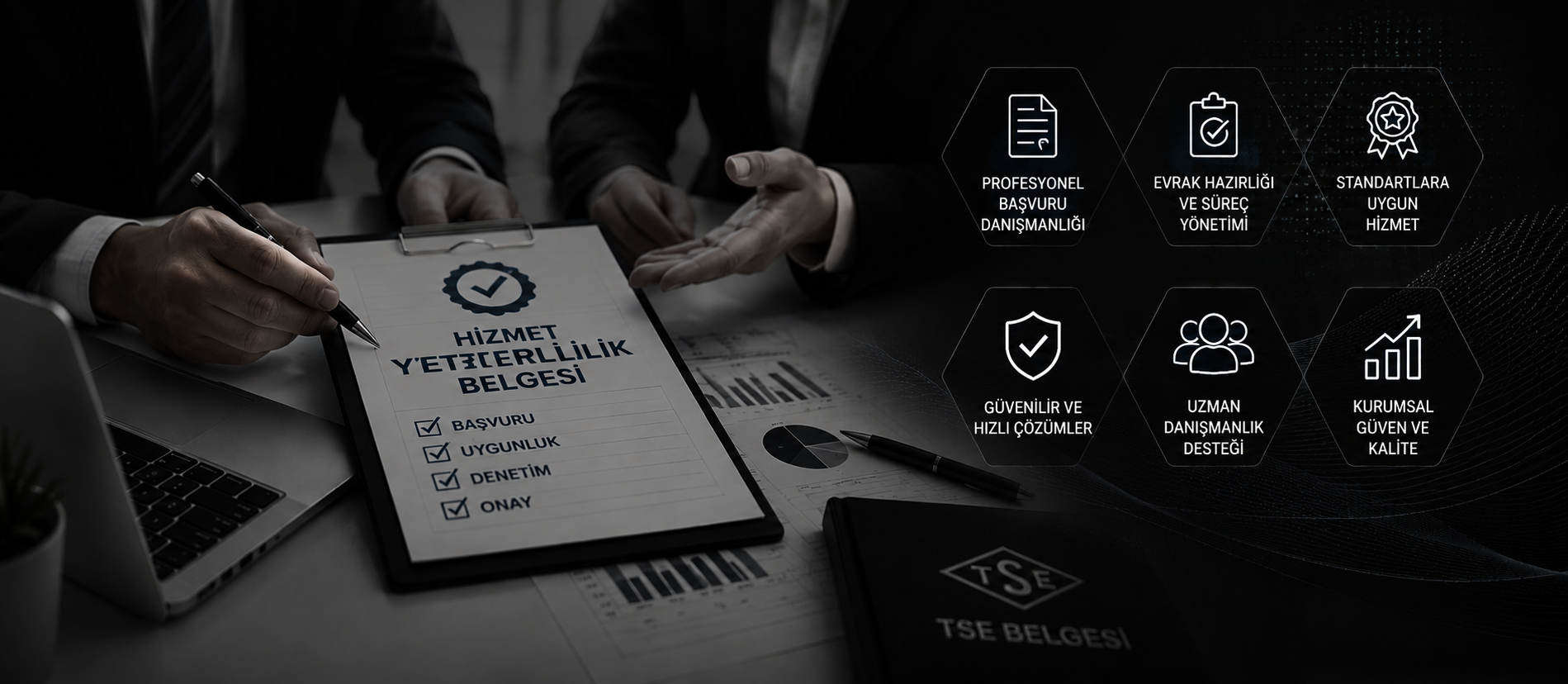
A Service Qualification Certificate (HYB) is an official certificate issued to businesses that demonstrate their ability to provide services in accordance with the applicable Turkish Standard or the requirements of the Turkish Standards Institution (TSE). The certificate is primarily used to verify a company’s technical competence, workplace conditions, personnel qualifications, equipment, and service management system.
An HYB Certificate confirms not only that a business provides a particular service, but also that the service is delivered in accordance with recognized standards and established procedures. For this reason, it is widely used across many industries, including technical service providers, fire extinguisher maintenance and refilling companies, computer repair services, software companies, food service businesses, and other service-oriented organizations.
What Is the Purpose of an HYB Certificate?
The primary purpose of an HYB Certificate is to demonstrate that a business provides services at an acceptable level of quality and technical competence. During the certification process, the company’s workplace, technical equipment, personnel qualifications, and service documentation are evaluated.
In addition to increasing customer confidence, an HYB Certificate encourages businesses to establish more organized service processes. Maintaining service reports, recording maintenance activities, defining employee responsibilities, and controlling technical equipment are all important components of the certification system.
Who Needs an HYB Certificate?
An HYB Certificate is particularly important for businesses operating in industries where technical competence and standardized service quality are essential. Although it is not legally required for every business, it may become necessary to meet public procurement requirements, corporate customer expectations, after-sales service obligations, or industry-specific standards.
Businesses that commonly require an HYB Certificate include:
- Technical service companies
- After-sales service providers
- Fire extinguisher maintenance and refilling companies
- Computer maintenance and repair businesses
- Software and information technology service providers
- Food service businesses
- Maintenance, repair, and installation companies
- Companies participating in public tenders
- Authorized service centers for manufacturers and importers
For these organizations, an HYB Certificate is more than an official document—it demonstrates technical capability, professional service management, and organizational reliability.
Why Is an HYB Certificate Important?
In the service industry, customer trust is just as important as service quality. Customers want assurance that the businesses they work with employ qualified personnel, maintain appropriate equipment, and operate a reliable record-keeping system. An HYB Certificate provides documented evidence of these capabilities.
Government agencies and corporate organizations often require service providers to hold recognized qualification certificates before entering into business relationships. In these situations, an HYB Certificate demonstrates that the company meets the required standards for its field of activity, improving its competitiveness and credibility.
An HYB Certificate helps businesses by:
- Demonstrating service quality
- Increasing customer confidence
- Providing advantages in public and private sector tenders
- Improving after-sales service management
- Supporting effective personnel, equipment, and record management
- Strengthening opportunities to work with corporate clients
- Enhancing the company’s professional image and brand reputation
How Is an HYB Certificate Evaluated?
The evaluation process is based on the company’s specific business activity because each industry is assessed according to different standards. For example, a fire extinguisher maintenance company is evaluated under different criteria than a computer repair service or an IT solutions provider.
Before applying, businesses should identify the correct TSE standard that applies to their services. During the certification process, inspectors evaluate workplace conditions, technical equipment, personnel qualifications, and service records. Businesses that successfully meet the applicable requirements are awarded the Service Qualification Certificate.
Conclusion
A Service Qualification Certificate (HYB) is an important indicator of quality, reliability, and technical competence for businesses operating in the service sector. Companies that prepare carefully before applying can reduce inspection risks while building a more organized, professional, and trustworthy service operation.
Related HYB Guides
- How to Obtain an HYB Certificate
- Required Documents for an HYB Certificate
- How Much Does an HYB Certificate Cost?
- Benefits of an HYB Certificate for Businesses
- HYB vs. ISO Certifications
- HYB Guide for Small Businesses
Frequently Asked Questions
Who should consider obtaining an HYB Certificate?
An HYB Certificate is especially valuable for service businesses that want to demonstrate technical competence, organized service management, and customer reliability.
What should businesses do before applying for an HYB Certificate?
Before submitting an application, businesses should review their business activities, identify the applicable TSE standard, evaluate workplace conditions, verify personnel qualifications, inspect technical equipment, and organize their service records.
Is obtaining an HYB Certificate mandatory?
Whether an HYB Certificate is mandatory depends on the company’s industry, public tender requirements, customer expectations, and sector-specific regulations. Businesses should evaluate the requirements according to their particular field of activity.
Professional HYB Consulting
Selecting the correct TSE standard, preparing complete documentation, and conducting a pre-inspection compliance review can significantly improve the certification process. Professional consulting helps businesses identify potential compliance gaps before the official inspection, reducing delays and increasing the likelihood of obtaining an HYB Certificate successfully.